
It’s tough trying to make a stand out shooter these days, with so many to choose from in this genre. It helps if you have years of experience making online shooters like Bungie, developers of games like Halo and Destiny. Their latest extraction shooter, Marathon, will definitely give other shooters in this genre a run for their money.
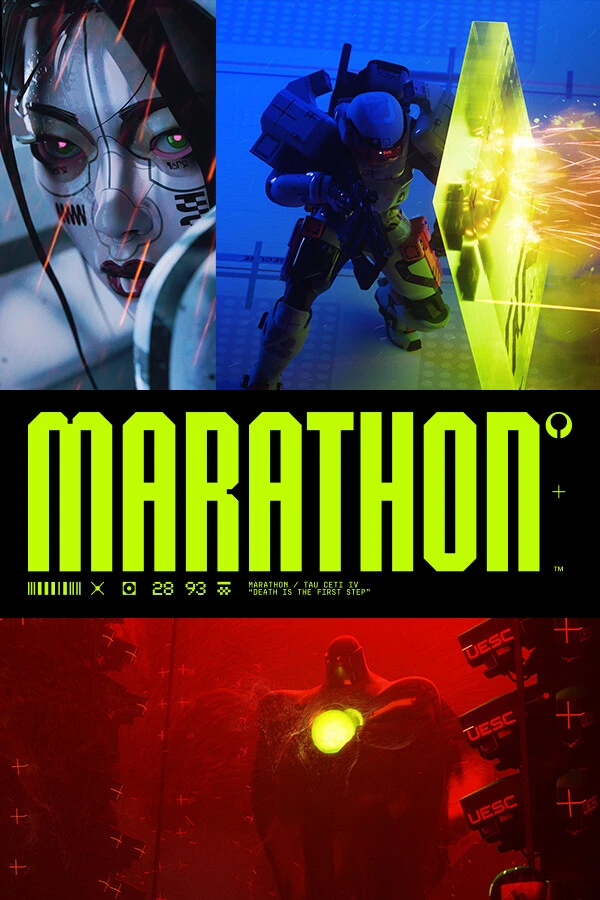
Just a FYI, I have not played the game, but I have read other game reviews and watched other players’ YouTube videos. I have played Bungie’s other games like Halo.
General Impressions
Marathon feels brutal and brilliant in equal measure. Nothing quite matches the rush of escaping with a pack full of loot or finally unlocking a rare weapon you’ve been after for days. But, expect plenty of squad wipes, failed extractions, and desperate scrounging too. If you’re the type of player who enjoys a shooter that slaps you around but always dangles the promise of one more great run, Marathon is seriously addictive.
Core Gameplay Loop
Every round in Marathon is about 15 minutes long, which is pretty short compared to something like Escape from Tarkov or DMZ. This faster pace makes for a constant sense of urgency. You drop into one of several compact maps, each dense with compounds, lootable areas, and contracts. Most matches see about sixteen players in squads (or solos, if you dare). PvP action happens early and often. If your squad’s got decent map knowledge and a tight plan, you can complete contracts, grab loot, and make your way to an extraction point in one piece. More often, you’ll scramble between bunkers, praying your next corner doesn’t have a rival team camping with shotguns. Extraction is always tense: do you risk waiting for more loot, or bail with what you’ve got?
There are plenty of tense moments, especially when you have friends coordinating in voice chat. Your team could develop your own routes and split-second strategies. Even after dozens of runs, no two matches felt exactly the same. Sometimes your team could chase contracts, or other times you can focus strictly on ambushes and fast exits to stack resources. Each failed escape leaves your rethinking our gear, routes, and priorities. That keeps the game feeling fresh and full of action packed surprises.
Time-to-Kill (TTK) and Combat Flow
If you come from other FPS games, the TTK in Marathon will feel familiar, but taken up a notch. You’re usually dead fast if you botch a peek or get caught out. Taking someone down usually comes down to the timing, aim, and positioning. There’s little room for error, but landing clean shots with the right weapon is incredibly satisfying. Some guns can finish a fight in two or three good hits, so awareness always matters more than raw aggression.
The quick TTK means you don’t have long windows for recovery. This ups the intensity, especially on cramped maps where enemies can pop out anywhere. You’re forced to listen closely, keep an eye on sightlines, and work with your squad. It can feel punishing for new players, but learning from quick losses is part of the fun. That edge, where you know every decision counts, makes the victory so much sweeter.
Gunplay, Weapons, and Mods
Bungie’s pedigree shines here. Gunplay feels rhythmic, responsive, and tactile. Every weapon’s got its own distinct sound, recoil, and use case. At launch, you get 28 guns. There’s the usual lineup: Volt energy weapons spit streaks of neon, heavy machine guns chew through ammo and enemies with authority, and precision rifles scratch that high-skill itch. Shotguns and snipers exist as just more limited power weapons, requiring you to actually find the right ammo on the map which creates cool decision points.
Attachable mods add another layer of strategy. If you’re lucky, you might slap a destabilizer or recoil damper onto a rifle, but losing your gun after dying is heartbreaking. Some folks complain about balance (the doublebarrel WSTR shotgun, for example, can turn halls into kill zones), and it’s not surprising to see tweaks by the first big patch. Even so, the need to actually manage and ration ammo is a refreshing throwback. You won’t be spamming clips like in more forgiving shooters.
Weapon customization also lets you mix in some variety. Mod attachments across several tiers can slightly change how you approach each run. Sometimes your team would experiment with loadouts: stacking mobility, building heavy ammo reserves, or optimizing for range. The best moments can come from when your team is extracting with a personalized setup that you earned and tweaked over the course of several successful games.
Movement and Feel
Marathon moves unlike anything in the current FPS scene. The physics—a mix of modern sliding/sprinting and old-school Bungie bounciness—produce a kind of floaty, controlled chaos. Low gravity means every jump hovers a bit, and you actually have to plan how you move through spaces. It takes a while to get used to, especially if you’re coming from fast shooters. But when it clicks, chaining jumps and slides through compounds becomes second nature. The pace is methodical rather than frenetic, forcing you to pick your shots and paths more carefully.
It’s good that Bungie integrated aim-downs-ights (ADS) and sprinting, but didn’t turn movement into the twitchy, ziplining you see in some other shooters. Losing the match by being caught out in the open feels like you made a mistake, but it’s a lesson for next time, not just bad luck.
Tested across both keyboard and controller setups, the movement retains a silky feel throughout the session. On the controller, assist isn’t overdone, so having good aim still matters. The low-gravity sections stand out: sudden vertical jumps let clever squads get the drop on distracted players below. If you enjoy learning movement routes, there’s a lot of depth to master as you continue to play.
Visuals, Audio, and Level Design
The art team took Marathon’s original style and made it pop for a new generation. Everything on Tau Ceti IV is painted in bold, stylized color, think CMYK with a cyberpunk twist. There’s zero push for photorealism; instead, clean lines, vibrant hues and dynamic weather keep things readable and distinctive, even during chaotic firefights.
Map readability is especially strong. You’re never stuck squinting at muddy textures or cluttered backgrounds. Dynamic lighting, whether from blinding sunlight, crazy neon gloom, or sandstorms, adds atmosphere without getting in the way. Weapon designs deserve praise too; each gun has a visual identity, from blocky old-school models to hightech volt rifles. On the audio side, cues are sharp and responsive. You’ll hear the doors sliding open, echoing gunfire, and other players’ gear clanking around, which is super useful for tracking movement or setting up an ambush.
The UI, while a bit clunky in the menus, remains clean once you’re in-game. There are no distracting overlays or excessive clutter, so your focus stays in the action. Audio cues for extraction timers, loot container unlocks, and the approaching squad footsteps make every match even more engaging. These small cues give you a slight edge if you pay close attention, adding tension and rewarding sharp senses.
The World of Marathon: Storytelling, Lore, and Setting
If you’re looking for narrative hooks, developer Bungie packed Marathon with that feeling of a lived-in, mysterious world. Tau Ceti IV is a bizarre new frontier dominated by greedy mega- corporations, malfunctioning AIs, and runners (basically you and every other looter fighting for scraps). You’ll find data logs, codex entries, and terminals hidden around. Each tidbit gives more flavor or hints at big conspiracies, but none of it ever gets in the way of gameplay. Marathon’s world feels like it’s right on the edge of collapse, adding to the highs-takes, high-risk vibe of every run.
The narrative isn’t front-loaded like in some single-player campaign shooters. Instead, you’re invited to explore at your own pace and piece the story together. If you want to check out the optional lore, there’s a lot hiding just beneath the surface: vault doors with weird AI messages, some environmental storytelling, and documents about failed extractions.
While the main gameplay loop remains the focus, stumbling upon hidden logs or cryptic message fragments is a reward in itself for curious players. The sense of uncovering a bigger plot behind the scenes adds some fun motivation to those late night “just one more run” sessions with friends.
Maps: Design, Layout, and Playstyles
Each map is packed tight, almost claustrophobic, which fits the short matches and the extraction style. On launch, you get three primary rotation maps: Perimeter, Dire Marsh, and Outpost, plus the special Cryo Archive raid map. Here’s a quick lowdown of each map:
- Perimeter: The most beginner friendly of the bunch. It’s easy to learn, with obvious lanes and a clear compound layout. PvP engagements happen fast as routes funnel squads into central loot points.
- Dire Marsh: A bit more verticality and some nasty ambush corridors. The thick fog and marshy pools affect the visuals and movements, making sure that every extraction gets riskier.
- Outpost: The map has this wild layered design, multi-route compounds (sometimes called the Pinwheel by the community) that let you flank or double-back. There’s always the sense someone could drop down from above or ambush you from a side tunnel.
- Cryo Archive: The only raid-style map at launch. This area features security clearance systems, timed events, and objectives that feel straight out of Destiny’s best dungeons. Running this one with a squad is pure madness as the PvE and PvP elements collide.
All maps feel like they reward knowledge. You learn the safe paths, loot spawn patterns, and ambush spots over time. Some players are already speed-running contracts or mapping out the best routes to the high value gear. The limited number of maps at launch is a downside, but the depth of each one helps keep things fresh across the first few dozen hours.
Bungie confirmed in recent updates that at least two additional maps are in the works, each with their own new weather systems and interactive elements. This should add some much-needed diversity for long-term sessions and help to balance recurring map fatigue for veteran players. The community is also keeping an eye on data-mined hints about a possible night-mode map arriving before the year’s end.
Progression, Loot, and InGame Economy
Marathon’s grind is all about risk and reward. Each successful extraction pockets you loot, weapons, upgrades, and currency, but dying means it’s all gone. It’s the classic extraction shooter tension. Mods, rare ammo, and loadouts have a surprisingly significant effect on your survival odds. Rarer gear comes with a real sense of accomplishment, especially when you manage to extract those items as a solo player with a full loadout.
The in-game economy is ever-changing so you can always make small gains, but if you want the most powerful mods or higher tier vault upgrades, you’ll need to play smart or get lucky. The vault system adds longer term progression: stash enough loot and upgrades (like faster extraction timers, more gear slots, or insurance for lost items) and you’ll be setting yourself up for riskier, maybe even more profitable, runs later on. It’s about experimenting on which loadouts will help you get better gear.
The ammo economy in Marathon stands out. Power weapons (the big shotguns, snipers, heavy Volts) only work if you scavenge their specific ammo, which ratchets up the tension in each of the matches. Late-game runs start feeling almost tactical—do we push a fight with low ammo, or play it safe and extract?
For players who love a sense of advancement, the layered unlocks add some extra motivation. As you progress through the game, the cosmetic rewards and vault expansions lead to measurable improvements, which keeps you hooked for that “just one more run” feeling.
Issues, Bugs, and Annoyances
No game at launch is perfect. Marathon’s got its share of early hiccups. Here are some of the bugs that are happening and may be fixed by the time you read this:
- Seasonal wipe: The June reset, wiping player progression back to zero, has everyone a bit on edge. Some love the fresh start; others hate losing hard-earned gear. Bungie’s staying non-committal about future wipe frequency, so keep an eye out.
- Map count: Only four maps at launch feels light. While each map is deep, daily play makes you crave more variety. Bungie says new maps are coming soon and they hinted most updates won’t be locked behind tough paywalls.
- UI: The interface is functional, but clunky, especially when sorting gear or accessing the vault. Fast-join loadouts are missing, which adds to the friction for back-to-back games.
- Battle Pass: The first seasonal pass is underwhelming, mostly containing cosmetics and some XP boosts. Nothing gamebreaking, just not as rewarding as what you see in other shooters.
- Balance: That double-barrel WSTR shotgun is the current meta abuser. It can wipe trios of enemies rushing a cramped space very quickly. Expect some nerfs or tweaks soon.
- Solo play: Extracting solo is completely doable, but difficult. Players that are teamed-up do better than most lone wolves. There’s talk in the community for a dedicated solo queue or duo option, but it’s not here at launch.
- QoL systems: Fast-join, better ping/communication tools, and more robust stat tracking would all improve the playing experience. Right now, these are patch hopefuls, but they are popping up in forums.
Overall, Bungie’s communication with players through dev blogs and patch notes helps to ease the frustration with bugs or missing features. They seem open to feedback and rapid adjustments, which bodes well for the game’s long-term health and longevity.
What Stands Out: Why Marathon Kept Me Hooked
For all its rough spots, there’s something special about Marathon isn’t found in other extraction experiences. Bungie’s skill with gunplay, map crafting, and that addicting risk-reward core loop just works. Whether it’s the sharp gunfights, the thrill of a loot-heavy escape, or the satisfaction of mastering routes through Outpost’s winding alleys, it entices players to go for another run.
If you’re looking for pure technical polish or some massive launch content, you might be a bit annoyed at some growing pains. But if you enjoy a shooter that rewards learning, calculated risk, and teamwork, Marathon fits the bill. The world-building is just thick enough to draw you back, and the meta-game is deep enough to make different squad compositions (or solo runs, if you’re a glutton for punishment) interesting from session to session.
Players keep coming back to Marathon because every session feels like it teaches you something new. Once you start to spot enemy patterns, master movement tricks, and coordinate extractions under heavy fire, you realize there’s a high skill ceiling to reach for in this game. Even when a match ends in disaster, it never feels pointless. The desire to improve from each run and to finally pull off that perfect run is what sets this game apart from the rest of the crowd.
Pricing and What You Get
Marathon’s $40 price tag is surprisingly okay compared to some $70 AAA shooters, especially given how the core game loop delivers as many heart-pounding moments as any premium FPS. There’s no free trial or “basic” mode. What you see is what you get. Battle passes and cosmetic packs are present, but you don’t need them to enjoy the main experience. It’s not necessary to spend beyond the base price so there is less of a feeling of being at a disadvantage. That said, there are cosmetics that are inventive (think wacky helmet visors, neon armor skins) and some are rare unlocks that show off serious in-game achievements.
Bungie’s been pretty transparent in their dev blogs about what’s coming soon: new maps, more weapons, expanded vault options, and tweaks to progression based on player feedback. If you’re curious about future value, it’s recommend to follow the official patch notes or sub-reddit for updates.
For value-conscious players, it’s good to note that Bungie has doubled down on offering free seasonal content updates, aside from the optional cosmetics. While some of the reward tracks feel kind of light compared to other shooters, the overall content offering matches the price point. If you’re aiming for the top cosmetic items, you’ll need to put in the grind or occasionally purchase packs, but there is nothing in the shop that gives any gameplay advantages.
Who’s Marathon For?
- Fans of classic Bungie shooters. If you miss Halo Combat Evolved’s feel or loved Destiny’s gun handling, this absolutely fulfills that need.
- Veteran FPS players. If you thrive on learning maps, optimizing weak loadouts, and outplaying rivals with tight movement, this game is for you.
- Players who enjoy risk/reward. There’s nothing quite like escaping with max loot after surviving a four-team firefight. Losses/Dying can feel like a total loss, but the upside is huge.
- If you only play Steam Deck or want a pure solo/PvE experience, this may not be the game for you (yet).
Tips and Advice for New Players
- Learn the map as best you can. Every route, chokepoint, and loot box will help you outplay your opponents.
- Conserve your best ammo or power weapons for real clutch moments. Don’t waste them on trash mobs.
- If you’re playing solo, avoid hot-drop loot areas at the start. Play it slow with third-party squad fights and extract when the heat dies down.
- Experiment with different mods. The time investment to upgrade gear is worth it if you survive, but don’t bring your best loadout every run until you’re confident you won’t lose it right away.
- Squad up when you can. Good communication and planning makes a huge difference (try to play with friends or find a cool group on Discord or Reddit).
Another quick tip: don’t be afraid to ask questions in the official Discord or subreddit. The community is helpful and will sometimes offer some route guides, loadout suggestions, and advice for navigating tough extractions. Watching high-level streamers can also provide some clues on some of the advanced strategies and movement tricks.
Final Thoughts
The extraction shooter genre is getting more competitive with each new game entry making their own take on this genre like Marathon. Even established FPS franchises like Call of Duty will release a game in this genre soon. Developer Bungie always knows how to make fun shooters and Marathon is no exception. This game will continually be the most competitive FPS today that will convince players to play just one more run. Plus, this game will continually be updated with new fixes and balances to keep the game fresh for players in the future.
What do you think? Are you interested in getting the game? Do you think Marathon has a chance to be the top extraction shooter? Would you consider playing any extraction shooter? Feel free to leave your thoughts and comments down below. Thanks!
Disclaimer: This article was A.I. generated and edited by me.
References:
https://www.pcgamer.com/games/fps/marathon-review/
https://www.ign.com/articles/marathon-review
https://m.youtube.com/results?search_query=marathon+review
https://external-content.duckduckgo.com/iu/?u=https%3A%2F%2Fmarathondb.gg%2Fassets%2Flibrary_capsule_2x.webp&f=1&ipt=bdeb485acc0abd0bca05e14cd0948b315b0b890c3e43535689187922b302cdb4